The Indian furniture industry is currently undergoing a massive structural shift, moving from an unorganized, carpenter-driven model to a brand-centric, organized retail sector.
Here is a breakdown of the industry landscape as of 2025–2026:
- Market Snapshot
Market Size (2025): Estimated at $25 – $30 Billion.
Future Projection: Expected to reach $37 – $44 Billion by 2030, growing at a CAGR of 7% to 11%.
Market Structure:
Unorganized (Local carpenters/shops): Still dominates with ~80% share.
Organized (Brands/Retailers): ~20% share, but growing much faster than the unorganized sector.
Key Driver: The “China Plus One” strategy is positioning India as a potential global manufacturing hub, challenging Vietnam and China.
- Top Trends Defining the Market
Omnichannel is King: Pure e-commerce is plateauing. Online giants (like Pepperfry, Urban Ladder) are aggressively opening offline “experience centers” because Indian customers want to “touch and feel” big-ticket items.
Compact & Modular: With shrinking apartment sizes in metros like Mumbai and Bangalore, demand is surging for multi-functional furniture (e.g., sofa-cum-beds, hydraulic storage beds, folding dining tables).
The Rental Economy: Startups like Rentomojo and Furlenco have normalized “access over ownership” for millennials and the floating workforce in IT hubs.
Tier 2 & 3 Growth: Demand is decentralizing. High-value purchases are no longer limited to metros; smaller cities are becoming major growth engines for branded furniture.
Tech Integration: “Smart Furniture” is emerging—desks with wireless chargers, sensor-based wardrobes, and ergonomic chairs designed for hybrid work setups
In the furniture industry—where trust, aesthetics, and structural integrity are everything—a corporate film is a high-impact asset. It bridges the gap between a static catalog and the physical experience of a showroom or factory.
Here is how furniture brands (B2C) and manufacturers (B2B) specifically benefit from investing in corporate films:
- Building Trust through “Virtual Factory Tours” (Crucial for B2B)
For manufacturers targeting B2B clients (office fit-outs, hotels, global export), the biggest hurdle is proving capacity and quality without a physical visit.
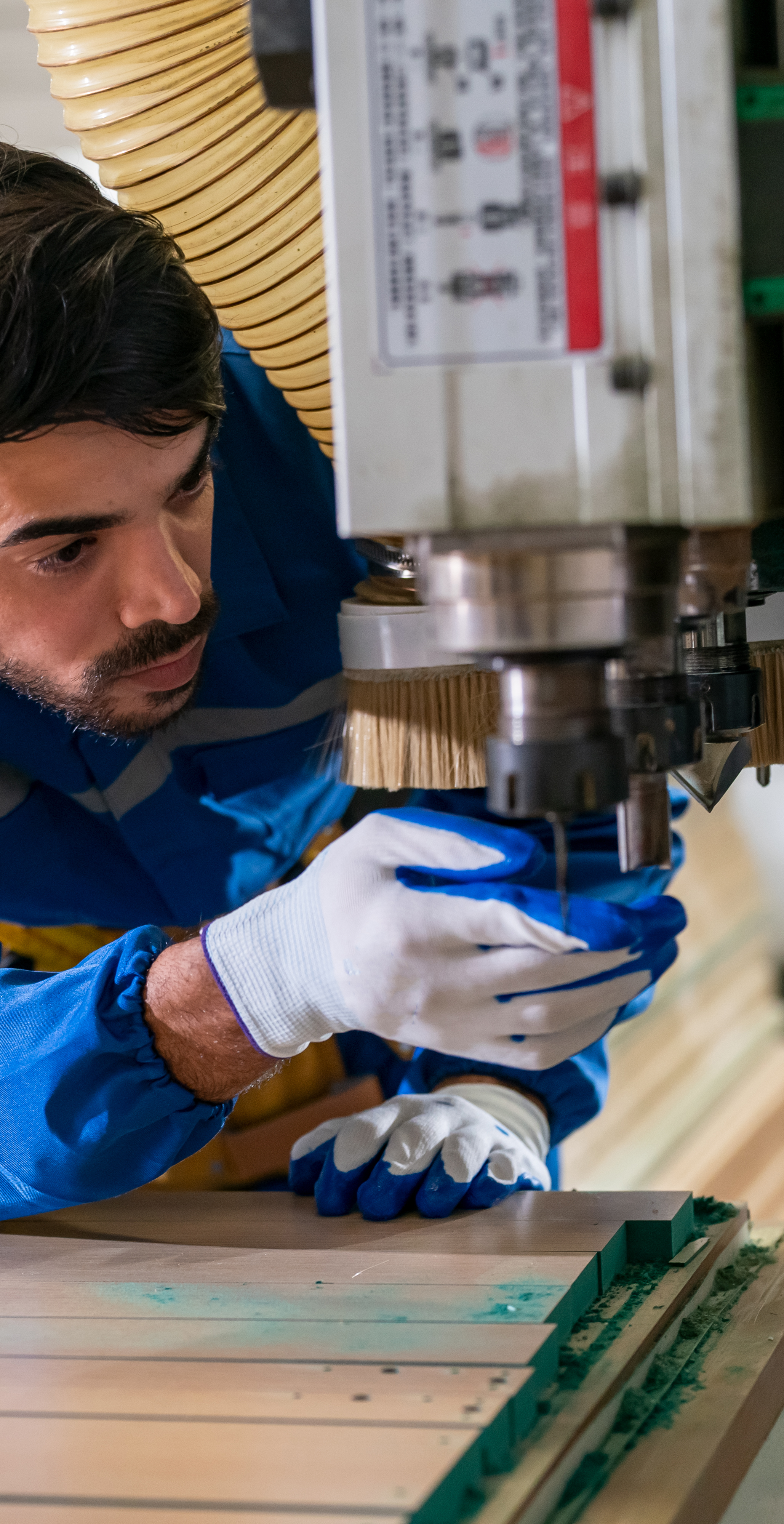
Infrastructure Validation: A film effectively says, “We don’t just import and assemble; we manufacture.” It showcases your CNC machines, automated paint lines, and warehouse capacity.
Quality Assurance: Showcasing the testing labs (e.g., durability tests, load-bearing tests) serves as visual proof of ISO/BIFMA compliance, which is often a mandatory requirement for large corporate tenders.
Supply Chain Confidence: For export clients looking for alternatives to China, a film demonstrating a robust, organized, and ethical factory floor builds immediate confidence.
- Elevating Perceived Value (Crucial for B2C Brands)
For retail brands, a corporate film shifts the conversation from price to value.
The “Craftsmanship” Narrative: In an era of mass-produced engineered wood, a film that zooms in on a craftsman hand-sanding a solid wood edge or applying a finish creates an emotional connection. It justifies a premium price tag.
Lifestyle & Context: Unlike a white-background photo, a film places the furniture in a living, breathing home. It shows how the light hits the fabric or how a family interacts with a dining table, helping the customer visualize it in their own life.
- Demystifying Functionality & Engineering
Modern furniture is becoming complex (ergonomic chairs, hydraulic beds, smart desks). Static images cannot explain mechanisms effectively.
Mechanism Clarity: A corporate film can use 3D overlays or close-ups to show why your “Synchro-Tilt” mechanism is better for back pain, or how smooth your soft-close hinges are.
Solving the “Assembly Anxiety”: Showing the packaging and ease of assembly in a polished way reduces the purchase anxiety customers feel about buying big-ticket items online.
- Supporting the Sales Team & Dealer Network
Standardized Pitch: Sales representatives at exhibitions or dealer showrooms often struggle to convey the full company story. A 2-minute corporate film serves as the perfect “elevator pitch” that runs on loop in the background or opens a meeting.
Franchise Attraction: If you are a brand looking to expand your dealer network in Tier-2 cities, a corporate film showcasing your brand strength, marketing support, and growth trajectory is a powerful tool to sign up new partners.
- Differentiating on Sustainability
Sustainability is a major trend in 2025.
Visualizing “Green”: Instead of just saying “Eco-friendly,” a film can show your sustainable timber sourcing, waste recycling processes (e.g., making briquettes from sawdust), and zero-emission paint lines.
Welcome to Cuts & Camera – video production that embraces uncommon sense. We make bold, groundbreaking commercials, film and television in Rewari Bawal Neemrana
Call now 7042111335